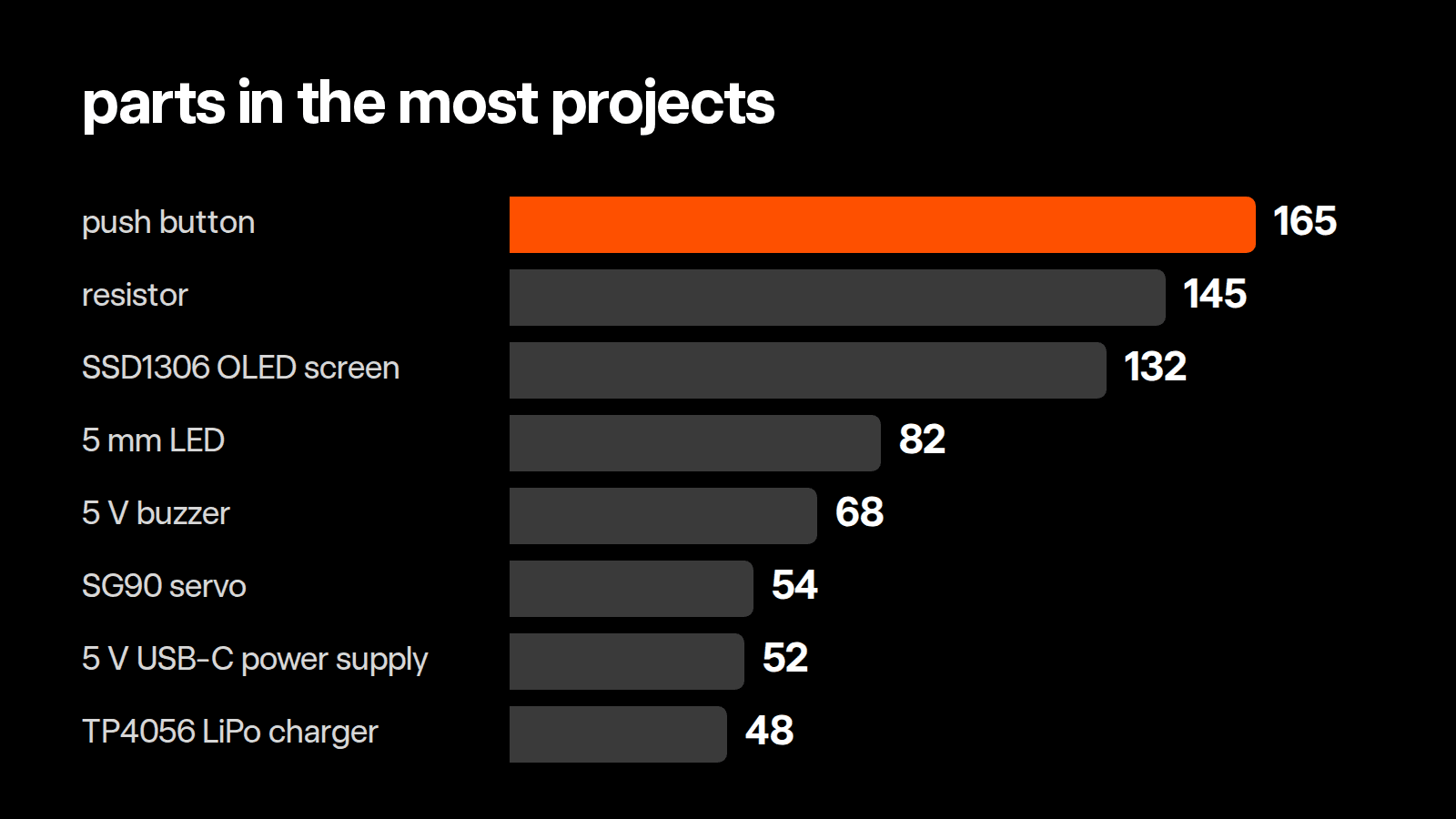
The most-used part in 902 Schematik projects is a push button. It's in 165 of them, about three times as many as the SG90 servo. We counted every project in the Schematik community, including the 50 guides we wrote ourselves.
The top five show how gadgets talk to people: press a button, read a screen, watch an LED, hear a beep. The resistor in second place is often there to protect that LED.
The 15 most-used parts
A part counts once per project. Max G's Handwired Macro Pad, a 12-key shortcut keypad, wires up 12 push buttons and still adds one to that row.
| Rank | Part | Projects | Share |
|---|---|---|---|
| 1 | Push button | 165 | 18% |
| 2 | Resistor | 145 | 16% |
| 3 | SSD1306 OLED screen | 132 | 15% |
| 4 | 5 mm LED | 82 | 9% |
| 5 | 5 V buzzer | 68 | 8% |
| 6 | SG90 micro servo | 54 | 6% |
| 7 | 5 V USB-C wall power supply | 52 | 6% |
| 8 | TP4056 LiPo charger | 48 | 5% |
| 9 | LM2596 buck converter | 46 | 5% |
| 9 | HC-SR04 ultrasonic distance sensor | 46 | 5% |
| 11 | MPU-6050 accelerometer and gyro | 40 | 4% |
| 12 | Piezo buzzer | 39 | 4% |
| 12 | 8 Ω speaker | 39 | 4% |
| 14 | MAX98357A I2S amplifier | 36 | 4% |
| 14 | 16x2 I2C LCD | 36 | 4% |
The resistor row covers every value set on the catalog's main resistor entry. The most common was 220Ω at 89 projects, then 10kΩ at 32. The two buzzer rows never overlap, so 107 projects can beep at you.
The boards people build on
Each row counts the board profile a project builds for, so it includes compatible boards.
| Rank | Board | Projects | Share |
|---|---|---|---|
| 1 | ESP32 DevKit | 336 | 37% |
| 2 | Arduino Uno | 99 | 11% |
| 3 | ESP32-S3-DevKitC-1 | 98 | 11% |
| 4 | UNIHIKER K10 | 34 | 4% |
| 5 | ESP32-2432S028R | 23 | 3% |
| 6 | ESP32-C3-DevKitM-1 | 21 | 2% |
| 7 | Raspberry Pi Pico | 18 | 2% |
| 7 | AI Thinker ESP32-CAM | 18 | 2% |
| 9 | Waveshare ESP32-C6-Touch-LCD-1.47 | 16 | 2% |
| 9 | Arduino Nano | 16 | 2% |
| 9 | ESP32-C6-DevKitC-1 | 16 | 2% |
Out of 902 projects, 738 (82%) run on an ESP32 or ESP8266 board. Wi-Fi comes built in, so a gadget can get online with no extra parts. Arduino boards run 138 and Raspberry Pi Pico boards run 26.
What people build with them
LEDs bring a resistor along
Out of 82 projects with a 5 mm LED, 64 also list a resistor, and no two parts pair up more often. The resistor limits the current so the LED doesn't burn out.
Marco Machado Wada's LED Matrix Games is a 5-game arcade console on an Arduino Uno, with a joystick and high scores. Ralph Magpie's E-Ink Precision Alarm Clock lists the same pair next to a DS3231, a clock chip built for precise timekeeping.
A button and a small screen make a control panel
In 46 projects, the push button sits next to the SSD1306, a small OLED screen. You press, and the screen shows you what happened.
Punyahvgy's ESP32 OLED Music Player has five buttons: previous, play/pause, next, volume up and volume down. Dezcom Project's ESP32-C3 Pi-hole Ad Blocker gets by with one, for Wi-Fi setup.
Talking projects share two chips
We found 29 projects with an INMP441 microphone, and 22 of them pair it with a MAX98357A amplifier, which makes sound loud enough for a speaker. Both use I2S, a wiring standard that carries digital sound between chips.
Ovi Mihut's ESP32 SIP Phone uses them to make calls over Wi-Fi. Vasanth M's Interactive Desktop Robot Buddy adds an animated OLED face and servos. Our own take is a push-to-talk local voice satellite for Hermes or OpenClaw.
Two parts where the Arduino Uno wins
The ESP32 DevKit beats the Arduino Uno on 13 of the top 15 rows. The HC-SR04 and the 16x2 I2C LCD flip it, both at 20 projects to 12.
The HC-SR04 measures distance by sending out a burst of sound and timing the echo. MUHAMMAD ISHAQ RAIF BIN NOR ISMAN Moe's Automatic Trash Bin Lid pairs one with an SG90 servo, a small motor that turns to the angle you pick, so the lid opens as you walk up.
The LCD shows 2 rows of 16 characters. On an ESP32, leang's RFID Smart Door Access pairs one with a card reader and a servo latch.
Servos like extra power
The SG90 is in 54 projects, and 17 of them also list the USB-C wall power supply. Servos can draw a lot of current.
Ollie Nelson's ESP32 Servo Security Camera uses both, with two SG90s to pan and tilt a camera that streams live over the web.
Motion sensors feel tilt and spin
The MPU-6050 has an accelerometer, which feels tilt, and a gyro, which feels spin. It's in 40 projects, including mrosword's Bluetooth Air Mouse, which you control with hand gestures.
Plenty of builds carry their own battery
A lithium battery, or a part that charges, holds or monitors one, turns up in 118 projects. The most common of those parts is the TP4056, a small board that charges a LiPo (a flat rechargeable lithium battery), in 48 projects.
Yathartha Chakrawal's ESP32 Stabilized Mini Drone carries a LiPo and a TP4056, plus an MT3608 boost converter to lift the battery's 3.7V up to 5V. It also uses an MPU-6050 to stay stable. Daksh Verma's smart glasses and our pocket GPS dashboard charge the same way.
Buck converters do the opposite job and step voltage down. The LM2596 does that in 46 projects.
One project in six adds no parts at all
In 147 projects (16%), the parts list stops at the board, and many of those boards have a screen built in. On the UNIHIKER K10, 29 of the 34 projects add nothing, and neither do 11 of the 23 on the ESP32-2432S028R or 7 of the 9 on the M5Stack Dial.
Rockets_cn's Digital Spirit Level uses the K10's own motion sensor and screen. On the Dial alone, aliferous3's Live Flight Radar Scanner tracks planes using OpenSky Network data.
The long tail is long
Half of the projects with a parts list use 7 components or fewer. Out of 285 different catalog parts, 80 have only ever appeared in one project, so your next build could be the second.
If one of these builds is close to what you want, open it and press Open in Schematik to get your own copy, or describe your own idea in Schematik.
Keep building from here
Jump into a step-by-step build, or open Schematik and turn your own idea into code, wiring, and assembly instructions.
Related posts
New to Hardware? A Beginner ESP32 Guide for Your First Build
A beginner ESP32 hardware guide: what to buy first, how breadboards work, what pin labels mean, and what to check before powering your first build.
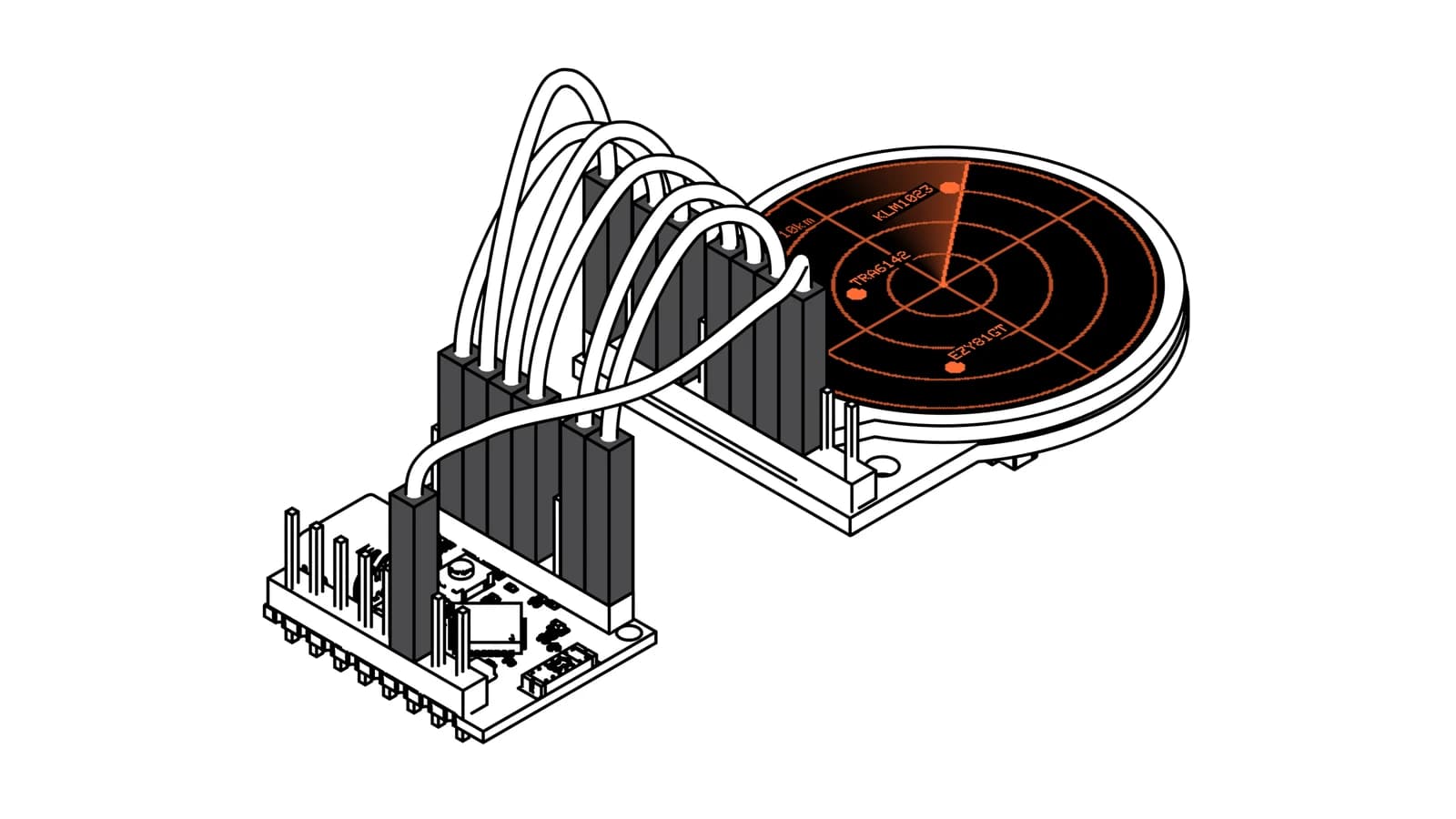
ESP32 projects to build in 2027: a plane radar, a desk buddy and 5 more
Seven small ESP32 builds from 2026, from a radar that spots the planes over your roof to a pixel lobster that sulks when you ignore it.
Related builds
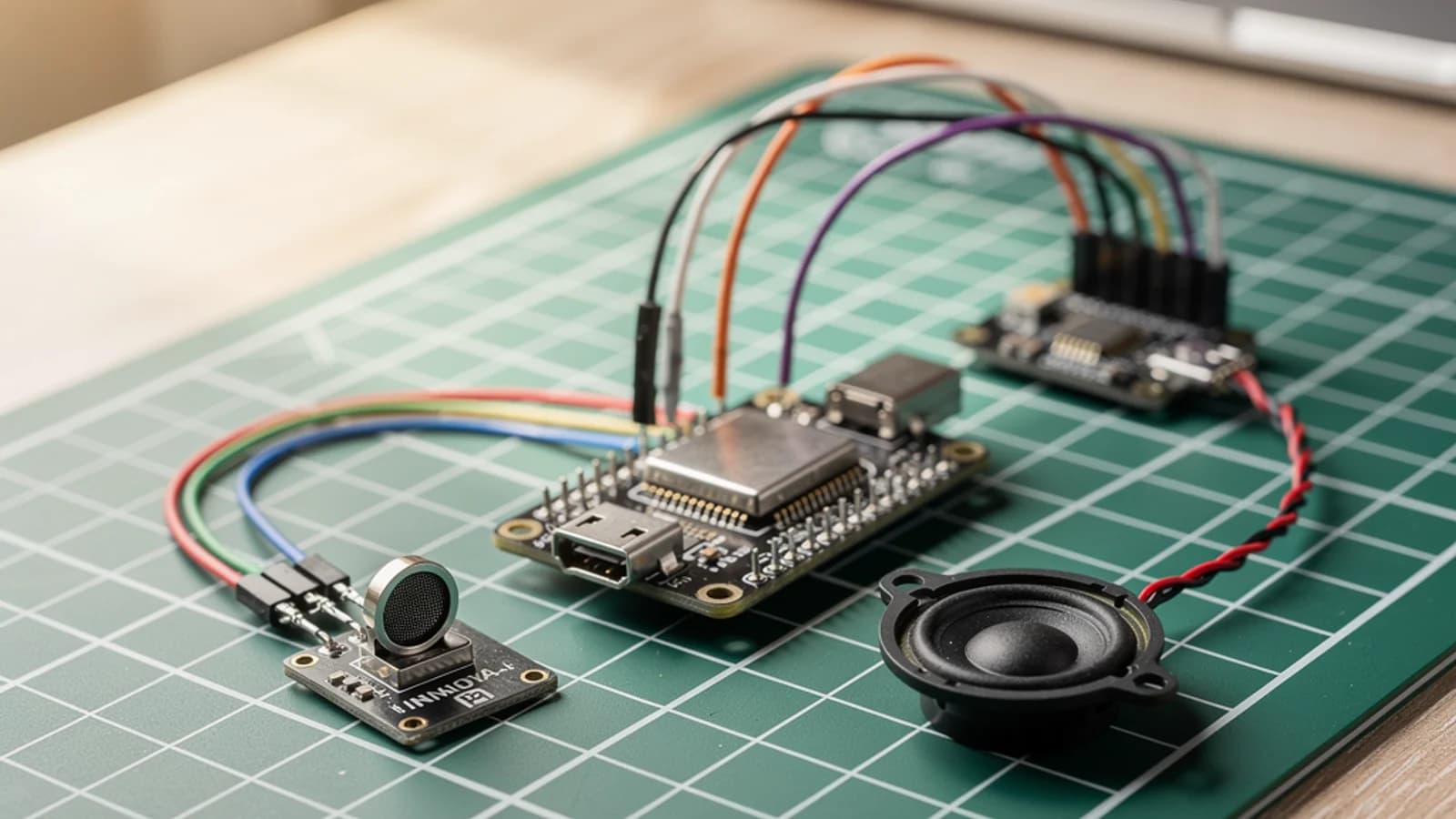
How to Build a Local Voice Satellite for Hermes or OpenClaw
Build an ESP32-S3 voice satellite with an I2S microphone, I2S speaker amp, push-to-talk recording, and local-network Hermes/OpenClaw bridge integration.

How to Build a Fitness Wristband Prototype with ESP32
Build an ESP32 fitness wearable prototype with MAX30102 heart-rate sensor, MPU6050 motion tracking, and OLED. Includes complete code and wiring guide.
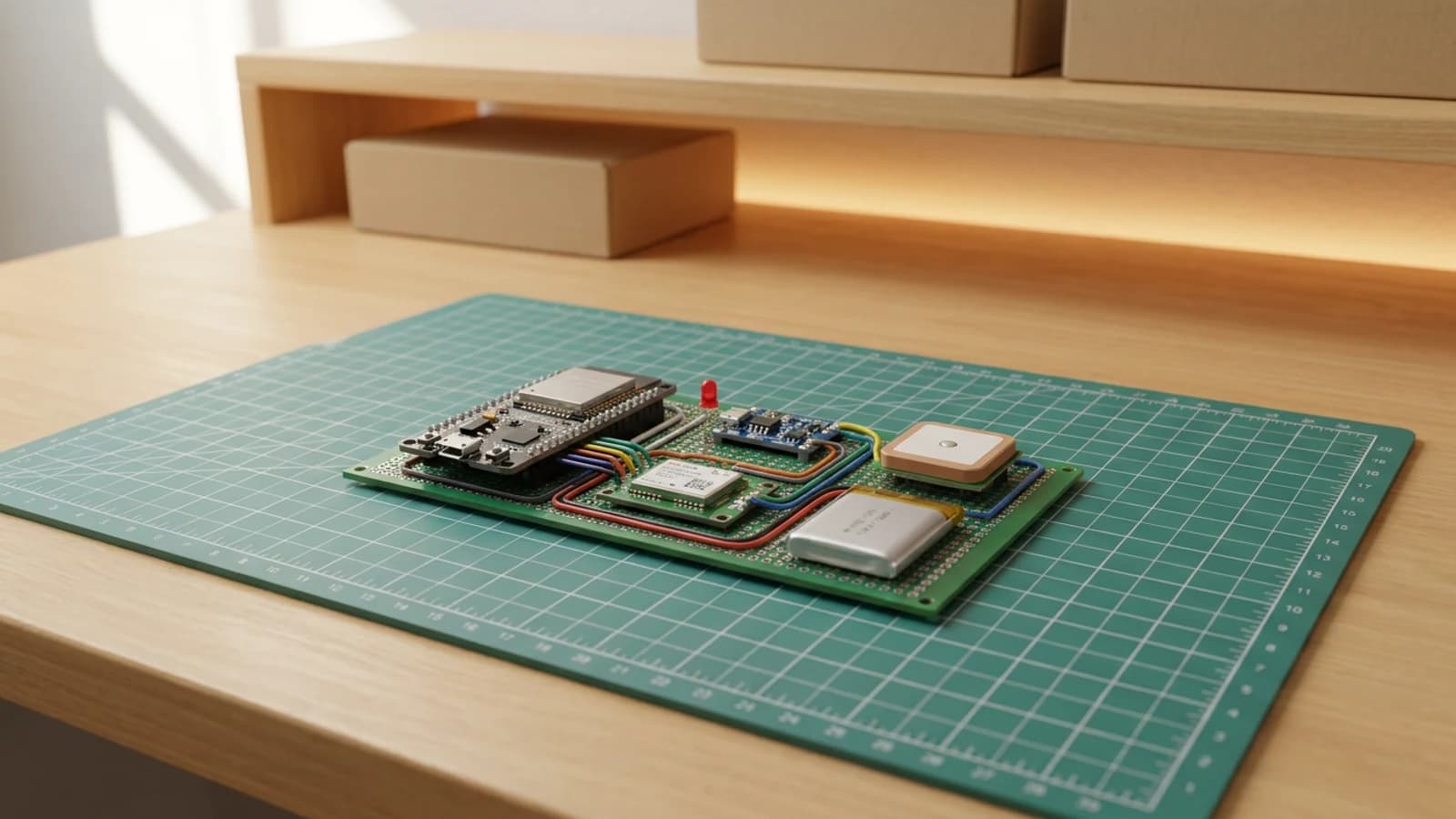
How to Build a Pocket GPS Dashboard
Build an ESP32 GPS tracker with PA1616D, LiPo charging, status LED, and a local Wi-Fi dashboard for live outdoor stats.